
One woman’s search for her forever farm
Welcome to Seed to Soul 🌱 - a global journey of land, heart and renewal. Follow Dee Ann Bauer as she searches the world for soulful farms, forgotten traditions and regenerative ways of living.
“Strong Community Traditions”

Canillas de Aceituno is a picturesque village in the province of Málaga, nestled at the foot of the Sierra Tejeda mountains. Its narrow, winding streets and whitewashed houses reflect the traditional Andalusian style and Moorish heritage of the region. The surrounding natural beauty, with dramatic landscape and views stretching toward the Mediterranean, makes it a peaceful and scenic destination. Agriculture plays an important role in local life, especially the cultivation of olives, almonds, and grapes on the terraced hillsides. Festivals, local gastronomy, and strong community traditions keep the village’s cultural identity vibrant and deeply rooted in rural Spanish life.
“The garden is overflowing for your body and soul”
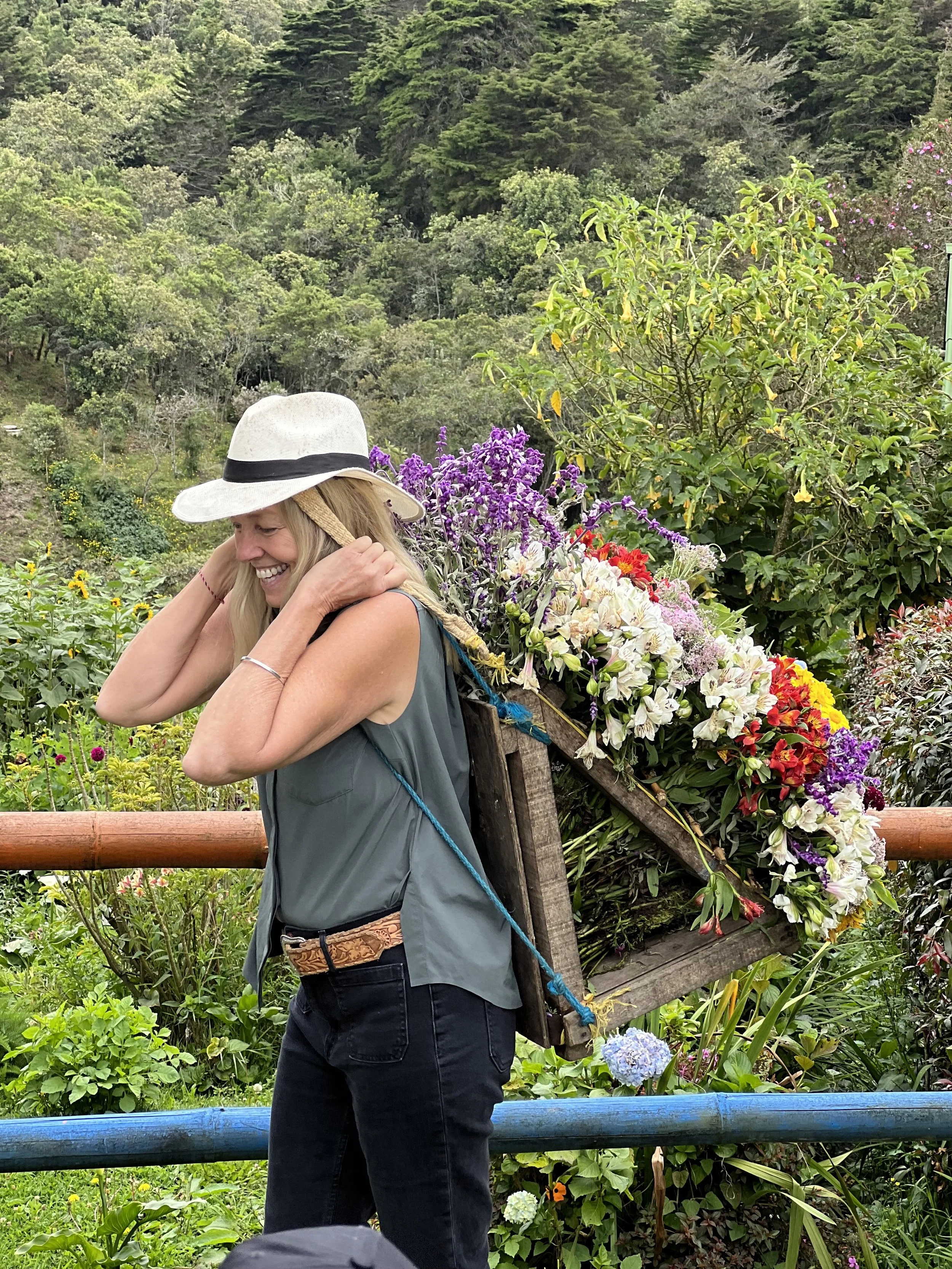
Beautiful Jardín is a gateway to the natural wonders of the Coffee Triangle. Often hailed as one of Colombia's most beautiful towns, Jardín boasts cobblestone streets lined with colorful houses, creating a charming and inviting atmosphere. Farming has been central to the history of Jardin, a town in the department of Antioquia Department in Colombia. Since the 19th century, farmers in Jardín have relied mainly on coffee cultivation and small family farms, which helped shape the town’s economy and culture.
“The Universe woke me up for this one”
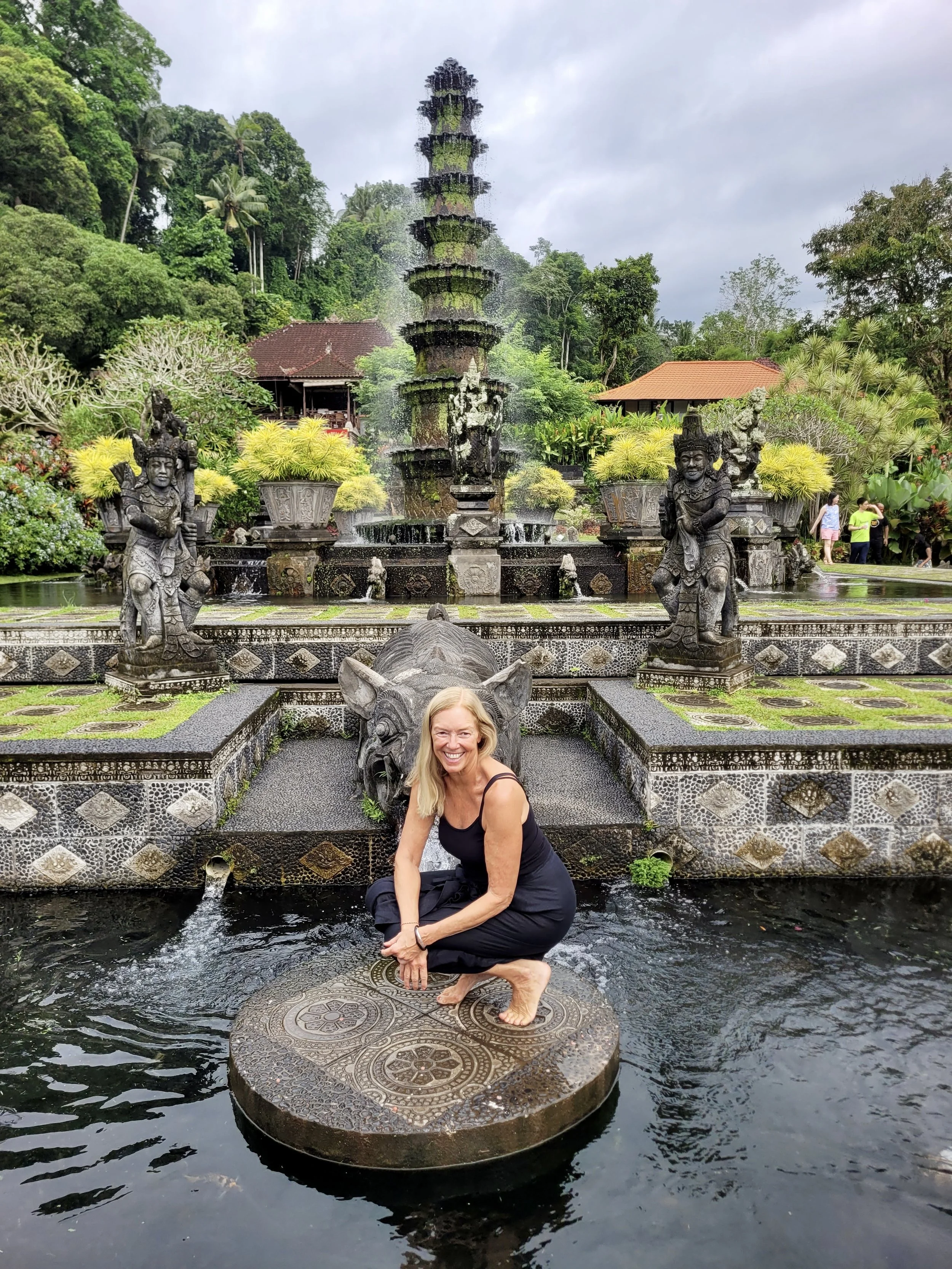
The dense air, rich with moisture, is a perfect growing medium for Indonesia’s many species of rice. Bali’s unique blend of tradition and modernity, set against a backdrop of volcanoes, waterfalls, and coral reefs, makes it a deeply inspiring place to explore or call home. Farming in Bali has a long history shaped by rice cultivation and an advanced irrigation system called Subak. For centuries, farmers in Indonesia have used terraced fields and community-managed water systems to grow rice and support village life.
“An island created by volcanoes”

Iceland’s geothermic pools and black sand beaches create stunning compositions from the air. both are created by the island’s constant volcanic activity. The land stretches across rolling green pastures dotted with grazing Icelandic sheep and horses, with a crystal-clear stream winding through the fields. Farming in Iceland began with the arrival of Norse settlers in the 9th century, who raised sheep and cattle and grew limited crops despite the island’s harsh climate. Over time, Icelandic farmers adapted by focusing on livestock and hay production to survive the long winters.
“Farming remains important”
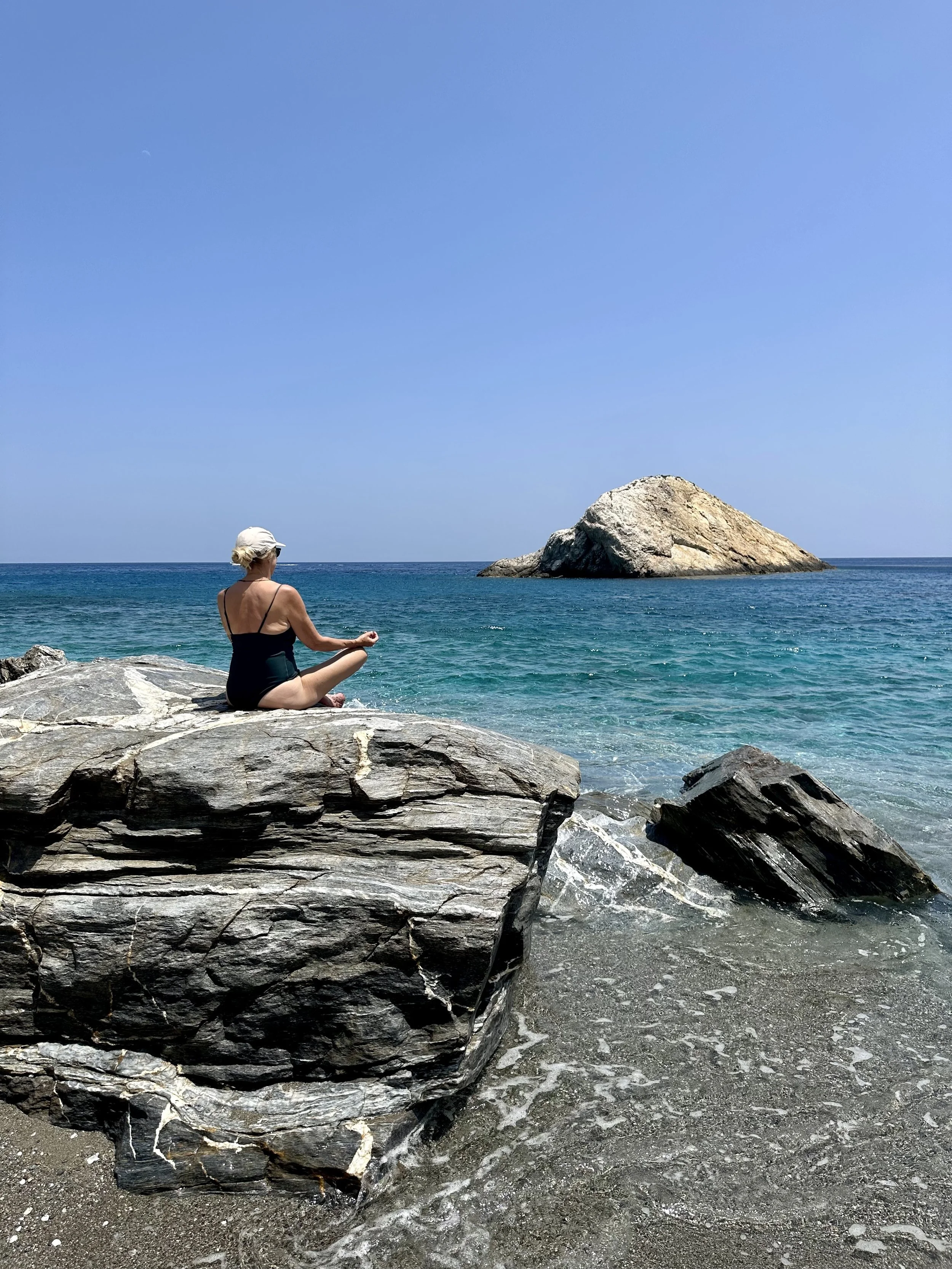
Kythera, a serene island between the Peloponnese and Crete, is known for its rich blend of Greek and Venetian cultural influences. Traditional festivals, Byzantine churches, and charming villages like Chora reflect the island’s deep historical roots and strong local identity. Its natural beauty is striking, with turquoise waters, hidden beaches, dramatic cliffs, and waterfalls such as Fonissa adding to its peaceful atmosphere. Farming remains an important part of life on the island, especially the production of olive oil, thyme honey, and wine. Terraced fields and small family farms preserve age-old agricultural practices that connect the people of Kythera to their land and heritage.
“Farming plays a role in the history”

South Carolina, is known for its historic charm, colorful row houses, and beautiful waterfront views along the Atlantic coast. The city’s culture is deeply rooted in Southern traditions, Gullah Geechee heritage, and a vibrant arts and culinary scene. Cobblestone streets, centuries-old churches, and moss-draped oak trees add to its distinctive beauty and timeless atmosphere. Farming has long played a role in the region’s history, from early rice and indigo plantations to today’s local farms supplying fresh produce to Charleston’s renowned restaurants. The blend of history, natural scenery, and agricultural traditions gives Charleston a rich and enduring character.
“Famous for it’s Capers”

Pantelleria, a rugged island between Sicily and Tunisia, is known for its dramatic volcanic landscapes and crystal-clear Mediterranean waters. Its beauty is defined by black lava rock, natural hot springs, and traditional white stone houses called dammusi. The island’s culture reflects a blend of Italian and North African influences, seen in its architecture, cuisine, and slower pace of life. Farming is shaped by the harsh winds and dry climate, leading locals to build low stone walls to protect their crops. Pantelleria is especially famous for its capers, which are prized worldwide for their intense flavor and are carefully harvested by hand each summer.
“Farming is based on herding”
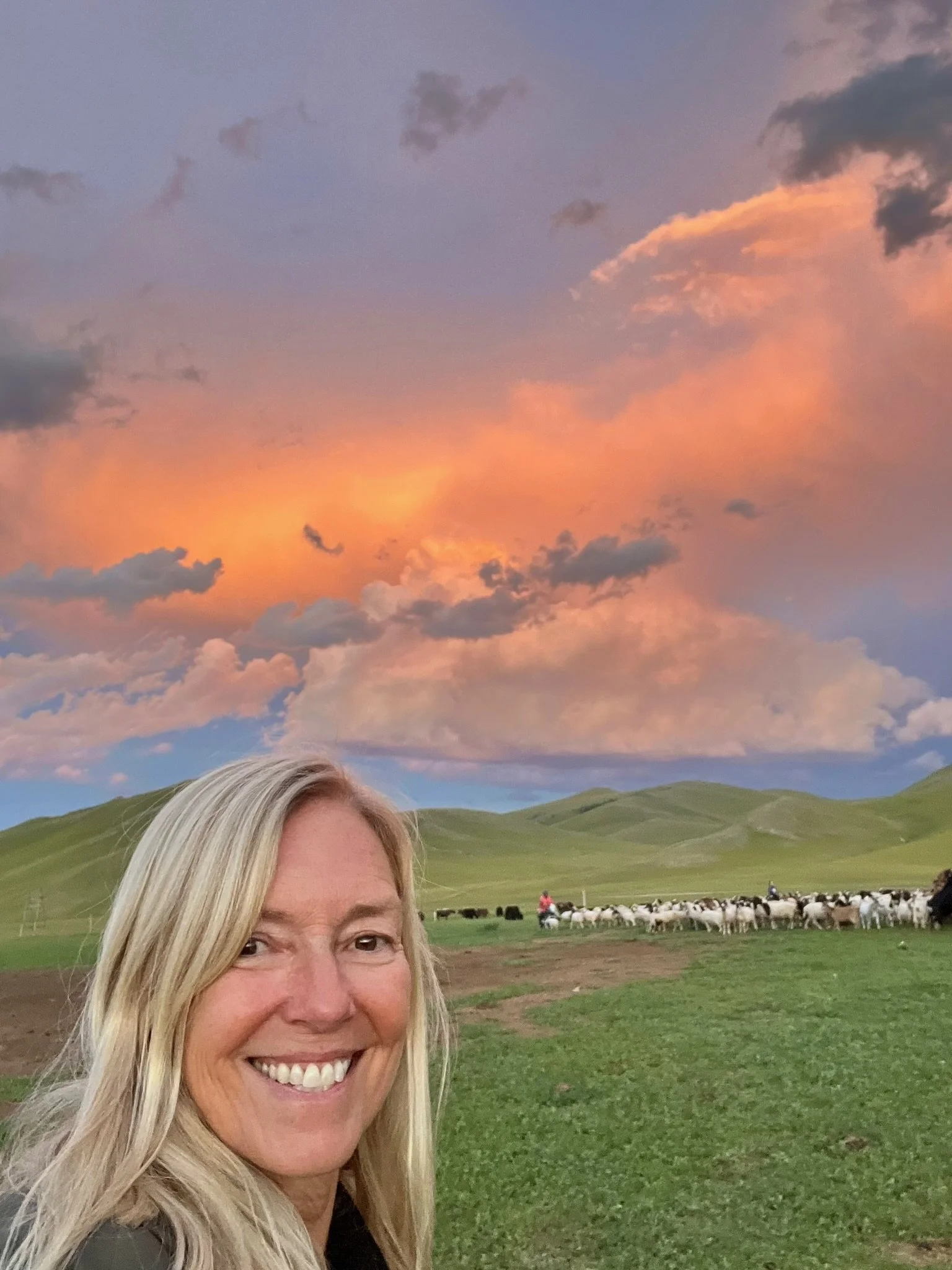
Mongolia is known for its vast, open landscapes of rolling степpe, rugged mountains, and the sweeping Gobi Desert. Its natural beauty is striking and untouched, with endless skies and wide horizons that create a strong sense of freedom and solitude. Mongolian culture is deeply rooted in nomadic traditions, with families living in portable gers and maintaining customs passed down for centuries. Farming is largely based on herding livestock such as sheep, goats, cattle, horses, and camels, which are central to both the economy and daily life. This close connection to the land shapes Mongolia’s identity, blending natural beauty with a resilient and enduring cultural heritage.
“Vast fields of corn and soybeans”

Iowa is known for its wide open landscapes, rolling plains, and expansive skies that create a quiet, understated beauty. The state’s culture is rooted in strong community values, small-town traditions, and a deep connection to the land. Agriculture plays a central role in Iowa’s identity, with vast fields of corn and soybeans stretching across the countryside. Family farms and agricultural innovation have shaped both the economy and daily life for generations. This blend of rural scenery, hardworking communities, and farming heritage gives Iowa its distinctive character.
“Small scale agriculture in fertile countryside”
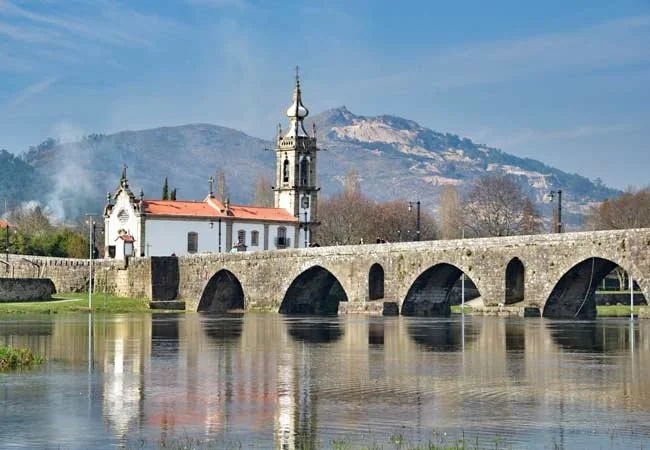
Ponte de Lima, one of the oldest towns in Portugal, is known for its charming medieval architecture and scenic setting along the Lima River. Its beauty is highlighted by the iconic Roman bridge, flower-filled gardens, and the surrounding green hills of the Minho region. The town’s culture is deeply rooted in tradition, with lively festivals, folk music, and local gastronomy playing an important role in daily life. Farming remains central to the area, especially the production of Vinho Verde wine and small-scale agriculture in the fertile countryside. This combination of natural scenery, historic charm, and agricultural heritage gives Ponte de Lima a peaceful and authentic character.